
To prevent your yard from becoming a barren, gray wasteland next January, plant for winter interest this fall. By strategically selecting plants now, you can create a landscape that remains stunning even when completely dormant with structure, texture and persistent color.
Structure with Evergreens
Evergreens act as the structural "bones" of the winter garden. Without them, a yard lacks a sense of boundary or definition during the dormant months. In addition to many varieties of boxwoods and arborvitae, look for Southern Magnolia (Magnolia grandiflora), Camellia (Camellia japonica / sasanqua) and Lenten Rose (Helleborus).
The texture of Bark and Branches
When foliage drops, the trunks and stems of your woody plants take center stage. Look for these varieties:
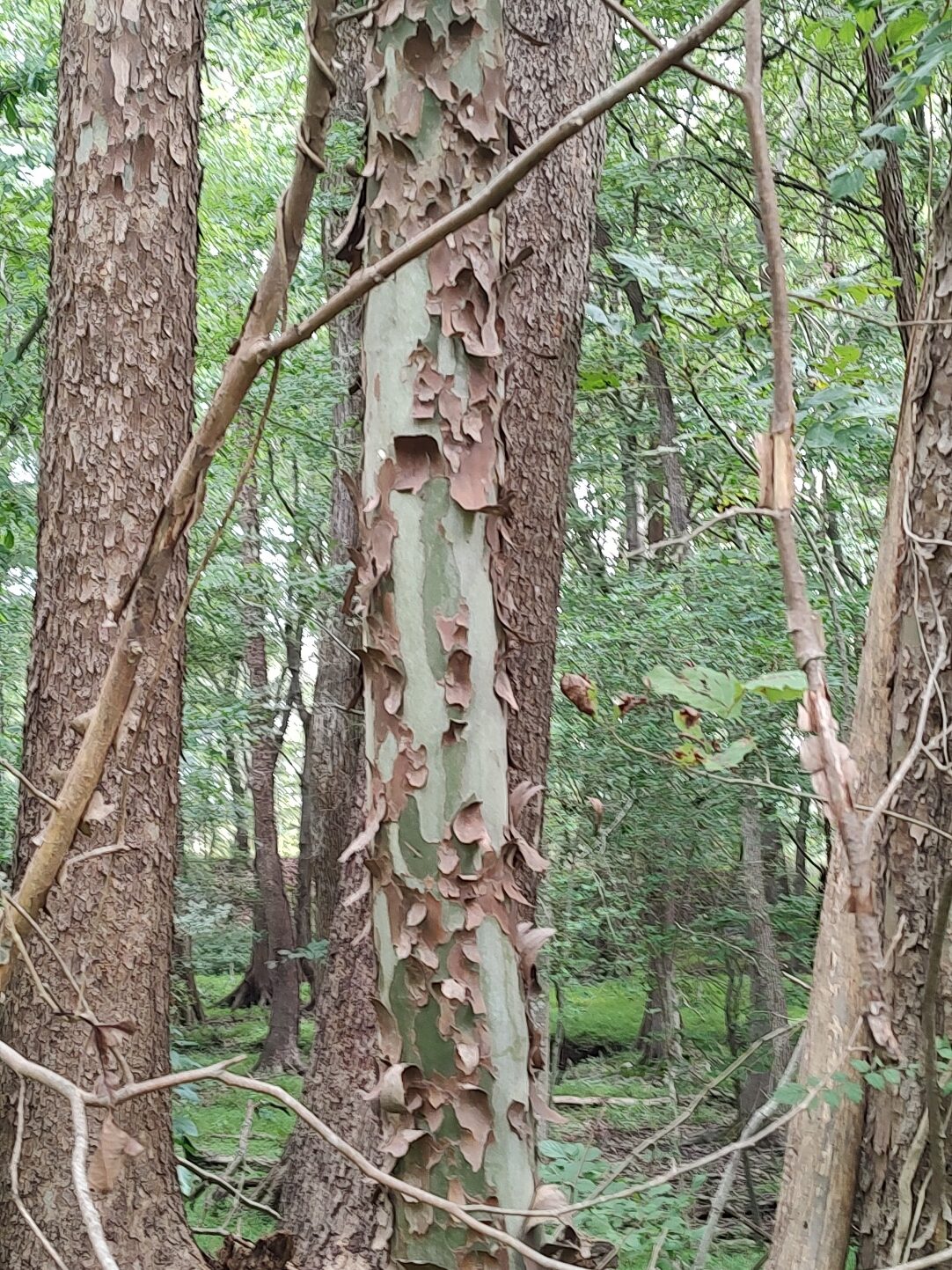
- River Birch (Betula nigra) features papery sheets of peeling bark in shades of salmon, cinnamon, and creamy white. Perfect for the heavy, wet clay soils common along the Pagan River and Cypress Creek.
- Red Twig Dogwood (Cornus sericea) stems turn a brilliant, fiery red in the dead of winter. Plant this shrub against a light-colored fence or an evergreen backdrop to make the red stems visually pop.
- Oakleaf Hydrangea (Hydrangea quercifolia) reveals deeply textured, cinnamon-colored peeling bark after the flowers and leaves drop. A native, shade-tolerant shrub that provides true four-season interest.
Berries: Pops of Color
Persistent winter berries provide jewels of red, purple, and gold that stand out in the dormant landscape. Ecologically, they are also an important food source for local songbirds (like Cardinals and Cedar Waxwings) struggling to survive freezing January nights.
Winterberry Holly (Ilex verticillata) is deciduous holly that drops all its leaves to reveal hundreds of neon-red berries. You must plant at least one male shrub to pollinate the female shrubs or you won’t get any berries.
American Beautyberry (Callicarpa americana) has striking, magenta-purple berry clusters that wrap around the stems long after the leaves have fallen and is a highly drought-tolerant native shrub.
Nandina (Heavenly Bamboo) features bright red berries and foliage that turns deep crimson in the cold. [Note: Nandina is considered invasive in Virginia, and its berries are toxic to birds, including the Cedar Waxwings mentioned above.]
By combining elements of structure, texture and color, your garden will look great even when the temperatures aren’t.